
Silver jewellery is admired around the world for its timeless beauty, elegant shine, and versatile fashion appeal. From delicate rings and minimalist chains to traditional oxidized designs and statement pieces, silver remains one of the most loved metals in the jewellery industry. However, one common issue that surprises many jewellery owners is that silver jewellery often turns black over time.
Many people mistakenly believe that blackening means the silver is fake or poor quality. In reality, this darkening process is completely natural and happens even with genuine sterling silver. Understanding why silver jewellery turns black can help you care for your pieces properly and maintain their shine for years.
This blog explains the science behind silver tarnishing, the major causes of blackening, prevention methods, cleaning techniques, and professional care tips for keeping your silver jewellery looking beautiful.
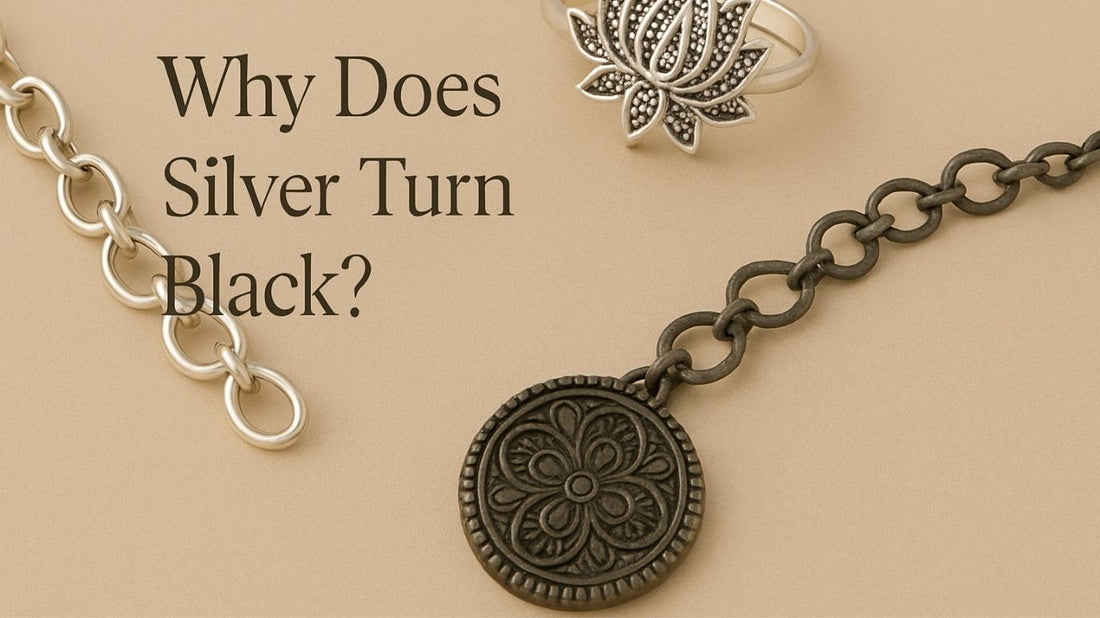
What Does “Silver Turning Black” Mean?
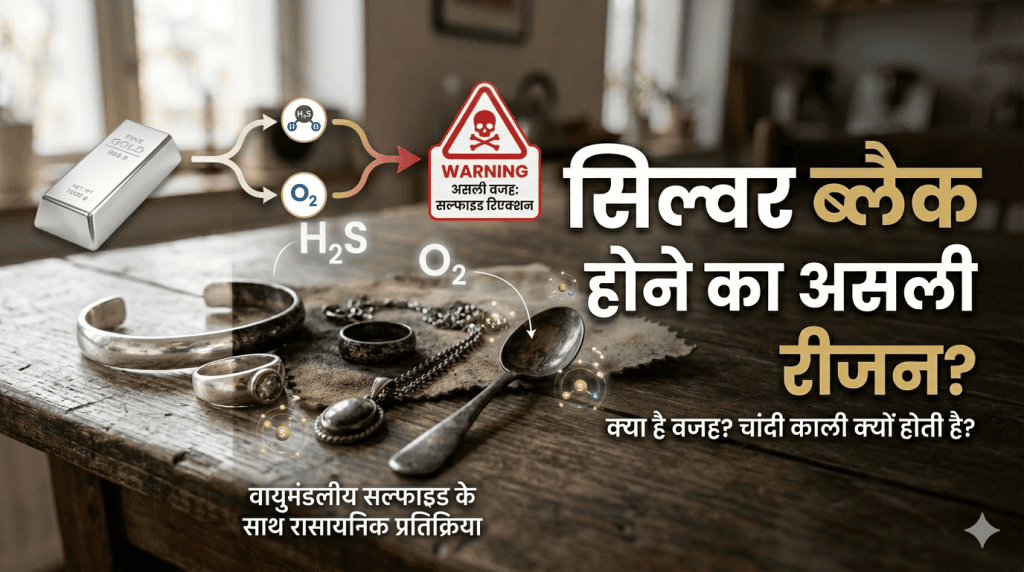
When silver jewellery becomes black, dull, or discolored, it is usually experiencing a process called tarnishing. Tarnish forms when silver reacts with sulfur-containing substances in the environment. This reaction creates a dark layer on the surface of the metal known as silver sulfide.
Why Does Silver Jewellery Turn Black? The Real Reason Explained
Tarnishing only affects the outer layer of silver and does not usually damage the jewelry permanently. In most cases, the shine can be restored through proper cleaning and polishing.
Is Blackened Silver Real Silver?
Yes. Genuine silver can absolutely turn black.
In fact, sterling silver jewellery, commonly marked as 925 silver, is more likely to tarnish because it contains 92.5% pure silver and 7.5% other metals, usually copper. The added metals improve durability but also make the jewellery more reactive to air, moisture, and chemicals.
Many people assume fake jewellery turns black while real silver stays shiny forever. This is a myth. Authentic sterling silver naturally oxidizes over time.
Main Reasons Why Silver Jewellery Turns Black:The Real Reason Explained
1. Exposure to Air and Sulfur
The primary reason silver turns black is exposure to sulfur compounds in the air. Sulfur exists naturally in the environment and reacts with silver to form tarnish.
Common sulfur sources include:
- Air pollution
- Industrial smoke
- Vehicle emissions
- Household gas
- Certain foods like eggs and onions
Over time, this chemical reaction creates a dark coating on silver surfaces.
2. Moisture and Humidity
Humidity accelerates silver tarnishing significantly. Moist air increases chemical reactions between silver and sulfur compounds.
People living in humid climates often notice their silver jewellery darkening more quickly, especially during monsoon seasons or in coastal regions.
Storing silver in damp bathrooms or poorly ventilated spaces can also speed up oxidation.
3. Sweat and Skin Chemistry
Human sweat contains salts, acids, and minerals that can react with silver. Some individuals notice their jewelry tarnishes faster because of their unique body chemistry.
Factors that may increase tarnishing include:
- High perspiration
- Oily skin
- Certain medications
- Hormonal changes
- High skin acidity
This is completely normal and varies from person to person.
4. Contact with Cosmetics and Chemicals
Silver jewellery reacts strongly with many beauty and household products.
Common substances that contribute to blackening include:
- Perfumes
- Deodorants
- Hair sprays
- Body lotions
- Sunscreen
- Makeup products
- Cleaning agents
Chemicals in these products create reactions that dull silver’s natural shine.
5. Water Exposure
Water itself may not always damage silver immediately, but repeated exposure can accelerate tarnishing, especially when the water contains chlorine, minerals, or chemicals.
Swimming pools are particularly harmful because chlorine reacts aggressively with metals.
Saltwater can also damage silver over time.
6. Improper Storage
Silver jewelry left exposed to open air tarnishes faster than properly stored pieces.
Common storage mistakes include:
- Keeping jewelry uncovered
- Storing in humid places
- Mixing silver with other metals
- Using cardboard or paper packaging containing sulfur compounds
Proper storage plays a major role in preventing blackening.
7. Pollution and Urban Environments
People living in polluted cities often notice quicker tarnishing due to increased sulfur and chemical particles in the atmosphere.
Industrial pollution, smoke, and traffic emissions all contribute to silver oxidation.
8. Oxidized Silver Designs
Some silver jewellery is intentionally blackened by manufacturers to create an antique or vintage look. This process is called oxidation.
Oxidized silver jewelry is extremely popular in ethnic and bohemian fashion because it creates depth and artistic texture.
In such cases, the dark finish is intentional and part of the design.

Does Blackened Silver Mean Poor Quality?-Why Does Silver Jewellery Turn Black?
Not necessarily.
High-quality sterling silver can tarnish naturally. In fact, many premium silver brands provide polishing cloths and care instructions because tarnishing is expected over time.
However, extremely rapid discoloration or green stains may indicate:
- Low silver content
- Cheap metal plating
- Poor manufacturing quality
Authentic 925 silver usually develops black tarnish rather than peeling or flaking.
How to Prevent Silver Jewellery from Turning Black
While tarnishing cannot be completely avoided forever, proper care can slow the process significantly.
1. Store Silver Properly
Always keep silver jewellery in:
- Airtight zip-lock bags
- Anti-tarnish pouches
- Soft fabric-lined boxes
Limiting exposure to air and moisture reduces oxidation.
You can also add silica gel packets to absorb humidity.
2. Keep Jewellery Dry
Remove silver jewelry before:
- Bathing
- Swimming
- Exercising
- Washing dishes
Moisture and sweat accelerate tarnish formation.
3. Apply Cosmetics Before Wearing Jewellery
Perfumes, lotions, and sprays should be applied before putting on jewelry.
Allow products to dry fully before wearing silver pieces.
This reduces chemical exposure.
4. Clean Jewellery Regularly
Routine cleaning helps prevent tarnish buildup.
Use:
- Soft microfiber cloths
- Mild soap and warm water
- Silver polishing cloths
Avoid rough brushes or abrasive materials that may scratch the metal.
5. Wear Silver Frequently
Surprisingly, regular wear can sometimes help reduce tarnish because natural skin oils gently polish the silver.
However, this depends on individual skin chemistry.
6. Avoid Contact with Harsh Chemicals
Always remove silver jewelry before using:
- Bleach
- Detergents
- Household cleaners
- Sanitizers containing strong alcohols
Chemical exposure is one of the fastest ways to dull silver.
How to Clean Blackened Silver Jewellery
If your silver jewelry has already turned black, don’t worry. Most tarnish can be removed safely.
Method 1: Soap and Warm Water
This is ideal for light tarnish.
Steps:
- Mix mild soap with warm water
- Soak jewellery briefly
- Gently rub with a soft cloth
- Dry completely
Avoid soaking pieces with delicate gemstones for long periods.
Method 2: Silver Polishing Cloth
Special silver polishing cloths are highly effective for restoring shine without damaging the surface.
They are especially useful for everyday maintenance.
Method 3: Baking Soda and Foil Method
This popular home remedy works for heavier tarnish.
Steps:
- Line a bowl with aluminum foil
- Add hot water and baking soda
- Place silver jewellery inside
- Wait a few minutes
- Rinse and dry thoroughly
The chemical reaction helps remove tarnish naturally.
Method 4: Professional Cleaning
For heavily tarnished, antique, or gemstone jewellery, professional cleaning is often safest.
Jewelry experts use specialized polishing techniques that preserve delicate designs.
Common Mistakes to Avoid
Using Toothpaste
Many people use toothpaste to clean silver, but it can scratch the surface because of abrasive particles.
Using Hard Brushes
Hard-bristled brushes may damage intricate designs and polished finishes.
Over-Polishing
Excessive polishing can wear down fine details over time, especially in antique or oxidized jewelry.
Why Some People’s Silver Tarnishes Faster
Body chemistry plays a major role in silver tarnishing.
Factors include:
- Sweat composition
- Medication use
- Skin pH levels
- Diet
- Hormonal changes
Two people wearing identical silver jewelry may experience very different tarnishing rates.
The Difference Between Tarnish and Damage
Tarnish is surface-level discoloration and is usually reversible.
Permanent damage includes:
- Deep scratches
- Broken clasps
- Peeling plating
- Structural weakness
Most blackened silver simply needs proper cleaning.
Silver Jewellery as a Long-Term Investment
Despite tarnishing concerns, silver remains one of the most practical and stylish jewelry choices.
Benefits include:
- Timeless beauty
- Affordable luxury
- High versatility
- Durability with proper care
- Sustainable and recyclable value
With regular maintenance, silver jewelry can last for decades.
Final Thoughts
Silver jewellery turning black is a completely natural process caused mainly by exposure to air, moisture, sulfur, chemicals, and daily environmental factors. Tarnishing does not mean your jewellery is fake or damaged. In fact, genuine sterling silver naturally reacts with its surroundings over time.
The good news is that silver tarnish is manageable. Proper storage, regular cleaning, limited chemical exposure, and mindful care can significantly slow blackening and preserve your jewellery’s shine.
Whether you own minimalist silver accessories, traditional oxidized designs, or luxury sterling silver collections, understanding how silver behaves helps you maintain its beauty and longevity.
Silver jewellery is more than just a fashion accessory — it is an investment in timeless style. With the right care routine, your favourite silver pieces can continue shining beautifully for years to come.